Biggest Fintech News in Nigeria This Month (October 2026)
Money moves fast in Nigeria, and so does the news around it. In just the past few weeks, regulators have tightened rules for payment companies, banks have been told to treat cyber risk as a serious threat, and a major finance summit is about to bring brokers, fintechs and regulators into the same room in Lagos. If you use a banking app, pay bills from your phone, run a small business or sell airtime and data, these stories affect you more than you might think.
This roundup explains the biggest fintech stories in Nigeria right now in plain language, why each one matters, and what you can do about it. Everything here was checked against recent reports at the time of writing in early October 2026. Fintech news changes quickly, so always confirm the latest details with official sources before making financial decisions.
1. The CBN's Big Payments Circular: Local Data, Ownership Disclosure and Market Limits
The most talked about regulatory story of the year is a circular from the Central Bank of Nigeria dated 15 June 2026. It was addressed to banks, microfinance banks, mobile money operators, switching companies, payment terminal and solution providers, super agents and other licensed operators. Reports describe it as bringing several major changes at once.
Payment data must be stored in Nigeria
The circular directs financial institutions to store and manage payment transaction data generated in Nigeria on local servers, in line with data protection laws. Reports say full compliance is expected by 1 January 2027. The central bank's reasoning is that fast growth in digital payments has increased reliance on foreign infrastructure, and keeping data at home is meant to protect the integrity of the financial system.
Companies must reveal who really owns them
Banks, fintechs and other payment operators are now required to keep accurate and up to date records of their ultimate beneficial owners, meaning the real people behind investment funds and holding companies. They must provide this information to the regulator on request. This ties into wider efforts to fight money laundering and other illegal financial activity.
Limits on market dominance
The circular also introduced competition rules aimed at stopping any single company from controlling too much of the payments chain. Reports say that large players in areas like card issuing and merchant acquiring face limits on how far they can expand into the other side of the market, and that affected institutions must submit monthly market share reports. Full compliance with the market structure rules is expected by 31 December 2026, and the regulator has warned that it will monitor compliance and apply sanctions where needed.
What this means for you
For everyday users, you may not notice any change on your phone. Behind the scenes, though, payment companies are reorganising where they store data and how they are structured. Some may spend more on infrastructure, which can affect pricing and plans over time. In the longer run, the goal is a more competitive, transparent and secure payments system. If you run a small business that accepts payments, it is worth watching whether your payment provider announces any changes to its services.
2. The Push for Sovereign Cloud and Local Data Hosting
Linked to the data storage rule is a growing conversation about what Nigeria's "sovereign cloud" should look like. A BusinessDay report from early October says Nigeria's emerging sovereign cloud and data governance framework has banks, fintechs and other financial institutions closely watching how they will need to migrate sensitive data and critical systems.
The issue is due for discussion at an industry roundtable in Lagos on 7 October, which is expected to bring together regulators, banks, fintech companies, payment operators, insurers, pension institutions, cloud providers and cybersecurity firms. Representatives from bodies such as the central bank, the interbank settlement system and the deposit insurer are expected to take part.
Why it matters: Moving large amounts of financial data is complicated and expensive. How smoothly companies manage it will affect reliability, security and possibly costs. Customers should watch for service notices and maintenance windows as firms upgrade their systems.
3. The CBN Warns Banks and Fintechs About Cyber and Third-Party Risk
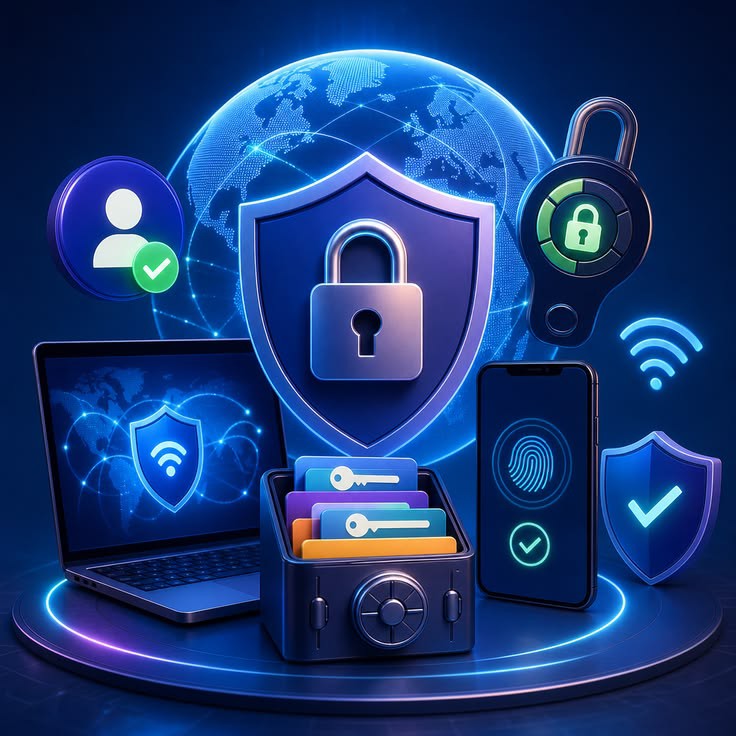
On 10 September 2026, at a major banking and finance conference in Abuja, a senior CBN official told banks, fintechs and other financial institutions to treat cybersecurity and third-party technology risk as issues of financial stability, not just IT problems. Reports say the message included extending cyber risk oversight to outside service providers and checking whether those vendors can withstand an attack.
This matters because modern financial services depend on a long chain of providers, including cloud hosts, payment gateways, messaging services and identity checks. If one link breaks, many companies can be affected at once.
What you can do as a customer
- Turn on two-factor login for your banking and wallet apps.
- Never share your OTP, PIN or password with anyone, including people who claim to be support staff.
- Use only the official app or website, and avoid links in unexpected messages.
- Keep your phone and apps updated.
- Check your transaction alerts often, so problems are spotted early.
4. Nigeria Fintech Week: Regulators Talk Growth, Trust and Expansion
Nigeria Fintech Week took place recently, and several statements from the opening day made headlines. A representative of the central bank governor said fintech growth is being held back by four issues: fragmentation, lack of trust, financial exclusion and fear of innovation. The same speaker stressed that regulation should protect users without blocking new ideas.
Industry leaders also pushed for fintechs to expand beyond Nigeria. One proposal discussed was a licence passporting initiative, which would make it easier for properly regulated fintech companies to operate across several African countries without starting the approval process from scratch each time. A US official at the event said Nigeria now has about 430 fintech firms, and that American investors supplied a large share of venture capital funding into Nigeria's tech ecosystem over the past decade.
Why it matters: A stronger, better regulated fintech sector means more choices for customers, but also more companies to evaluate. The "trust" point is the one to take seriously. Before you use a new financial app, check that it is properly licensed and has a clear way to reach support.
5. Plans to License Online Forex and CFD Trading
The Securities and Exchange Commission has published proposed rules on online forex trading and contracts for difference. If adopted, the draft would put online trading platforms under a licensing system for the first time, with requirements such as local incorporation, minimum capital and protection of client money for every platform that serves people in Nigeria.
The proposal is expected to feature at the Lagos Finance Summit, scheduled for 14 to 16 October 2026 at the Landmark Event Centre in Victoria Island. Organisers expect thousands of attendees and over a hundred platforms, along with brokers, banks, payment providers, regulators and traders. A regulation forum on 15 October is set to discuss the proposed rules.
Why it matters: Many Nigerians trade forex or try online investing apps, and quite a few have lost money on unregulated platforms. Licensing rules could make it easier to tell safe operators from risky ones. Until any rules take effect, be very careful. If a platform promises guaranteed profits, asks you to recruit others or will not explain who runs it, walk away.
6. Fintech Deals and Customer Satisfaction
Moniepoint buys Orda
In mid August, industry reports said Moniepoint acquired Orda to build out its Moniebook platform. Deals like this show large fintechs expanding beyond payments into tools for running a business, such as bookkeeping and point of sale software.
Customer satisfaction at a record, but service quality is slipping
A new customer satisfaction report covering 2025 found that Nigeria's national score reached an all time high of 71 percent, even though service quality declined across most major sectors. The report says financial services and telecoms generated the largest number of responses, and that OPay remained the leading fintech or microfinance bank in the survey, while MTN kept its lead among mobile networks.
Why it matters: The report is a reminder that customers depend on both connectivity and financial services, and failures in one can disrupt the other. Fast, clear customer support is now a major part of how people judge a service.
7. Markets and Money: A Strong Year for Nigerian Stocks
The broader financial picture is also moving. Reports on the Nigerian stock market for the week ending 2 October said the market slipped slightly that week, though its return for the year so far remained strongly positive at over 60 percent. Commentators linked the rally to rate cuts and strong investor interest, and some heavyweight stocks, including banks and MTN, saw declines that week.
Why it matters: Market swings are normal. If you invest, avoid making decisions based on one week of news. If you do not invest, this is still a useful sign of how interest rates and investor mood are shaping the financial landscape.
What These Stories Mean for Everyday Nigerians
Putting the news together, a few themes stand out.
- Regulation is getting tougher. The central bank and the SEC are moving to tighten the rules on data, ownership, competition, cyber risk and online trading.
- Security is a bigger priority. Banks and fintechs are being pushed to protect customers and their vendors more seriously.
- Competition is being reshaped. Limits on market dominance could change how big payment companies grow.
- Trust is the main currency. Licensing, ownership transparency and better support are all aimed at building confidence.
How to Protect Your Money While the Rules Change
Use licensed, well known services
Check whether a bank or fintech is regulated before you put money into it. Look for clear contact details, terms and a real support channel.
Be extra careful with online trading and investment apps
Until clear licensing rules exist, treat unfamiliar platforms with caution. Never invest money you cannot afford to lose, and be wary of anyone promising guaranteed returns.
Watch for service notices
When companies migrate systems or update their platforms, there may be short outages or changes to features. Keep an eye on official announcements.
Keep records of your transactions
Save receipts and screenshots of important payments. If something goes wrong, they make disputes much easier to resolve.
Stay alert to scams
Big news often triggers new scams, such as messages that claim your account will be restricted because of "new rules". Real institutions will not ask for your password or OTP. If in doubt, contact your bank or provider directly.
What Small Businesses and Resellers Should Do
- Check that your payment provider is licensed and communicates clearly about any changes.
- Confirm payments in your own account before delivering goods or services.
- Keep clean records, since stronger oversight makes good bookkeeping even more valuable.
- Avoid depending on a single payment channel, so a problem with one provider does not stop your business.
- Protect your logins and use two-factor authentication on every business account.
What to Watch Next
- Whether the SEC adopts its forex and CFD licensing rules after industry feedback.
- How payment companies prepare for the data localisation and market structure deadlines at the end of this year and the start of next.
- Any further guidance from the central bank on cyber risk and third-party vendors.
- Announcements from the Lagos Finance Summit in mid October.
- New deals, partnerships and product launches among Nigeria's biggest fintechs.
Frequently Asked Questions
Will the new CBN rules change how I use my bank or wallet app?
Most customers will not notice much on the surface. The changes mainly affect how companies store data, report ownership and compete. Some firms may announce updates or maintenance as they adjust.
What is data localisation?
It means keeping payment data generated in Nigeria on servers inside Nigeria, instead of storing it abroad, in line with data protection laws.
What is a beneficial owner?
It is the real person who ultimately owns or controls a company, even if the ownership runs through funds or holding companies. Regulators want this information to prevent hidden ownership and illegal money flows.
Is online forex trading legal in Nigeria?
Rules are still developing. A proposal would introduce licensing for platforms that serve Nigerian residents, but it is a draft. Be cautious and check a platform's regulatory status before using it.
How can I tell if a fintech app is safe?
Check that it is licensed, read independent reviews, confirm that it has a real support team and be careful with anything that promises unusually high returns.
Why is the central bank talking about third-party risk?
Because many financial services rely on outside providers like cloud hosts and gateways. A failure or attack on one provider can disrupt many companies at once.
Where can I find the latest official updates?
Check the websites and official social pages of the Central Bank of Nigeria and the Securities and Exchange Commission, along with announcements from your bank or fintech provider.
Final Thoughts
This has been a busy stretch for Nigerian fintech. Tighter payment rules, stronger cyber expectations, plans to license online trading and a lively deal scene all point in the same direction: a financial system that is growing fast and being asked to grow responsibly. For ordinary users, the best response is calm and practical. Use licensed services, protect your logins, keep your records, ignore panic messages and double check any claim that sounds too good to be true.
We will keep following the big stories in fintech, payments and business tech. Check back for the next roundup, and always confirm important details with official sources before you act.
Comments
Loading comments...